
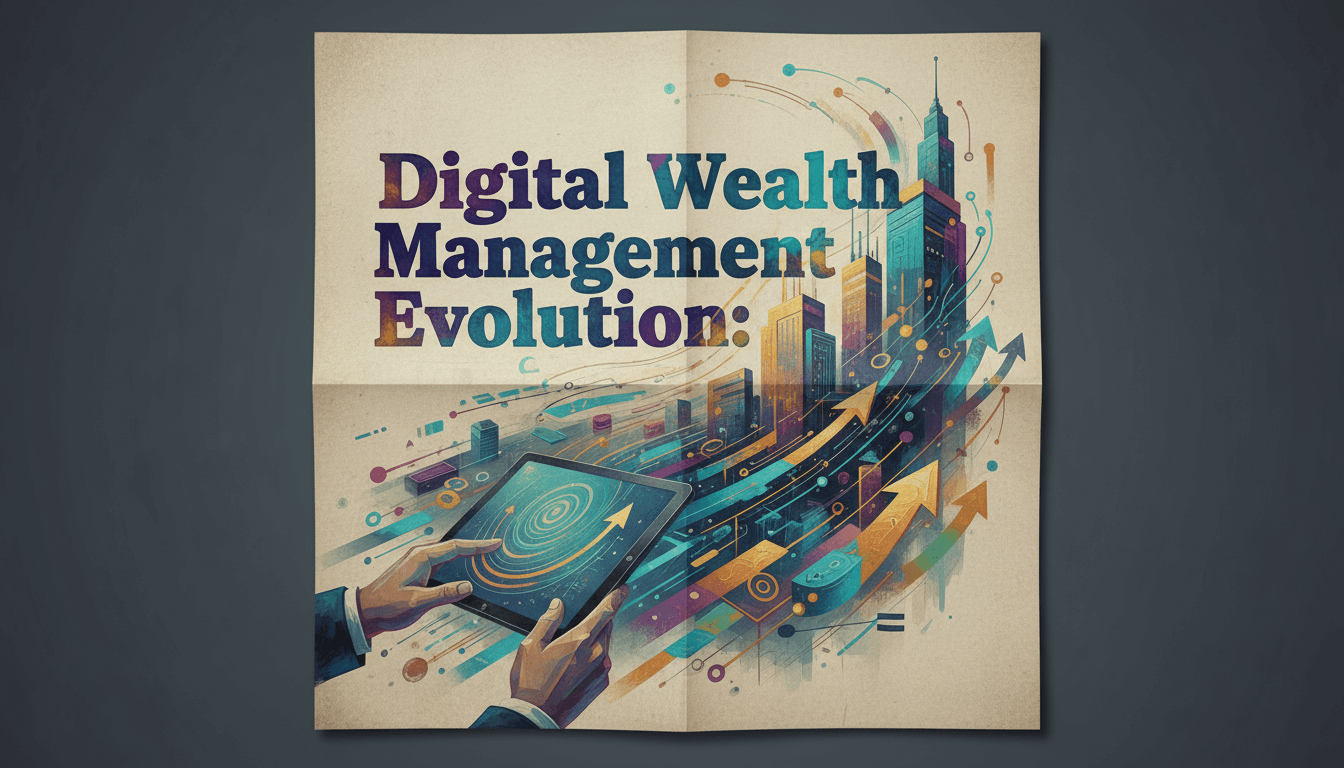
The digital transformation of wealth management is reshaping how high-net-worth individuals (HNWIs) engage with financial services. According to the Capgemini World Wealth Report 2023, 55% of HNWIs prioritize digital channel capabilities when selecting a wealth management firm, underscoring the critical role of technology in client acquisition and retention. However, a notable 47% remain dissatisfied with existing digital interfaces, revealing a pressing need for innovation. This article delves into the evolving market dynamics, service diversification, and strategic imperatives for advisors aiming to thrive in this competitive landscape.
The Rising Importance of Digital Capabilities in Wealth Management
Digital capabilities have become a cornerstone of modern wealth management, driven by client demand for seamless, accessible, and personalized services. The Capgemini report highlights that 55% of HNWIs consider digital tools essential, reflecting a broader shift toward tech-enabled financial planning. Factors such as real-time portfolio analytics, mobile accessibility, and AI-driven insights are no longer luxuries but expectations. For instance, platforms offering automated rebalancing and predictive modeling are gaining traction, yet many traditional firms struggle to keep pace. This gap is exacerbated by the 47% dissatisfaction rate, often linked to clunky user interfaces, limited integration, and slow response times. To address this, firms are investing in UX/UI enhancements, cloud infrastructure, and API ecosystems to deliver cohesive digital experiences that align with client lifestyles.
Market Diversification: Analyzing Service Preferences and Usage Patterns
The wealth management ecosystem is increasingly fragmented, with clients leveraging a mix of service providers. Data from Capgemini reveals that 43% of HNWIs rely on independent advisors, valuing personalized advice and tailored strategies. Retail banks capture 17% of the market, often serving clients with simpler needs or legacy relationships. Meanwhile, self-service apps account for 20%, appealing to tech-savvy investors seeking control and lower costs. Emerging WealthTech services, at 15%, represent the fastest-growing segment, offering niche solutions like ESG investing, cryptocurrency management, and behavioral finance tools. This diversification underscores the importance of hybrid models, where advisors blend human expertise with digital tools to cater to diverse client segments. For example, robo-advisors with human oversight are bridging the gap between automation and customization, enhancing scalability without sacrificing personal touch.
Addressing Client Dissatisfaction: Barriers and Solutions in Digital Interfaces
Despite advancements, 47% of HNWIs report dissatisfaction with digital interfaces, pointing to systemic issues in design and functionality. Common pain points include complex navigation, inadequate data visualization, and poor mobile optimization. For instance, many platforms fail to integrate holistic financial views, forcing clients to juggle multiple apps for banking, investing, and planning. To overcome these challenges, firms are adopting human-centered design principles, conducting user testing, and leveraging analytics to identify friction points. Solutions include intuitive dashboards with drag-and-drop features, AI-powered chatbots for instant support, and blockchain for secure, transparent transactions. Additionally, partnerships with fintech startups enable legacy institutions to innovate rapidly, as seen in collaborations focusing on biometric authentication and predictive analytics. By prioritizing user experience, advisors can reduce dissatisfaction rates and foster long-term client loyalty.
The Role of AI and Emerging Technologies in Shaping Future Trends
Artificial intelligence (AI) and machine learning are revolutionizing wealth management by enabling hyper-personalization and efficiency. AI algorithms analyze vast datasets to offer tailored investment recommendations, risk assessments, and tax optimization strategies. For example, natural language processing (NLP) tools can scan news and social media to gauge market sentiment, while robotic process automation (RPA) streamlines back-office operations. Beyond AI, technologies like quantum computing and decentralized finance (DeFi) are poised to disrupt traditional models. Quantum computing could enhance portfolio optimization speeds, while DeFi platforms offer decentralized lending and borrowing. However, adoption requires careful risk management, including cybersecurity measures and regulatory compliance. Firms that embrace these technologies early will likely gain a competitive edge, particularly as 55% of clients prioritize digital innovation.
Strategic Recommendations for Advisors and Firms
To thrive in this evolving landscape, wealth management firms must adopt a client-centric, technology-driven approach. First, invest in integrated digital platforms that offer omnichannel experiences, combining mobile apps, web portals, and in-person consultations. Second, leverage data analytics to understand client behaviors and preferences, enabling proactive service adjustments. Third, foster continuous learning among advisors to keep pace with technological trends, such as certifications in AI or blockchain. Fourth, prioritize cybersecurity to protect sensitive client data, especially as digital interactions increase. Finally, explore partnerships with WealthTech providers to expand service offerings without significant R&D costs. By implementing these strategies, firms can address the 47% dissatisfaction rate, capitalize on the 55% digital preference, and navigate the diversified market—comprising 43% independent advisors, 17% retail banks, 20% self-service apps, and 15% WealthTech services—effectively.
Key Takeaways
- 55% of HNWIs prioritize digital capabilities, making technology a key differentiator in wealth management.
- 47% client dissatisfaction with digital interfaces highlights urgent need for UX improvements and innovation.
- Market diversification shows 43% use independent advisors, 17% retail banks, 20% self-service apps, and 15% WealthTech services.
- AI and emerging technologies like DeFi are critical for future growth and personalization.
- Advisors should adopt hybrid models, invest in cybersecurity, and partner with fintech to stay competitive.
Frequently Asked Questions
Why is digital capability so important to high-net-worth individuals?
Digital capabilities enable real-time access, personalized insights, and efficient portfolio management, aligning with HNWIs' busy lifestyles and demand for transparency. The Capgemini report notes 55% prioritize these features for convenience and control.
What are common reasons for client dissatisfaction with digital interfaces?
Clients often cite poor usability, lack of integration across financial accounts, slow performance, and limited mobile functionality. These issues contribute to the 47% dissatisfaction rate reported in the data.
How can wealth management firms improve their digital offerings?
Firms should focus on user-centered design, adopt AI for personalization, enhance mobile experiences, and ensure robust cybersecurity. Collaborating with WealthTech providers can also accelerate innovation.
What is the significance of the 15% WealthTech services segment?
This segment represents innovative, niche solutions—such as ESG investing or crypto management—that attract clients seeking cutting-edge tools. It's a growth area demanding attention from traditional advisors.
Conclusion
The digital wealth management sector is at a pivotal juncture, driven by client expectations for sophisticated, user-friendly technology. While 55% of HNWIs emphasize digital capabilities, the 47% dissatisfaction rate signals a clear opportunity for improvement. By embracing diversification—balancing independent advisors, self-service apps, and WealthTech—and leveraging AI and emerging technologies, firms can enhance client experiences and secure a competitive advantage. The insights from Capgemini's 2023 report serve as a roadmap for advisors committed to evolving with the industry and delivering value in an increasingly digital world.
Tags
Related Articles

Wealth Management Trends 2025: Digital Transformation and Sustainable Investing Reshape Financial Advisory
The wealth management industry is undergoing a profound transformation driven by technological innovation and shifting c...
Global Market Dynamics and Strategic Partnerships in Wealth Management
The wealth management industry is undergoing unprecedented consolidation, with M&A activities nearly tripling from 2020 ...

Regulatory Compliance and Technology: The Future of Wealth Management
Wealth management firms globally are intensifying their focus on regulatory compliance by integrating advanced technolog...

Profitability and Cost Management: Navigating Challenges in Wealth Management
Wealth management firms are confronting severe profitability issues, with 40-50% of client relationships potentially unp...

Navigating Market Volatility: Advanced Investment Strategies for Wealth Preservation
In today's challenging economic climate marked by persistent inflation, market volatility, and interest rate fluctuation...

Private Wealth Market Dynamics: Navigating the New Era of Sophisticated Investments
The private wealth market is undergoing a profound transformation driven by client sophistication, demand for diversifie...