
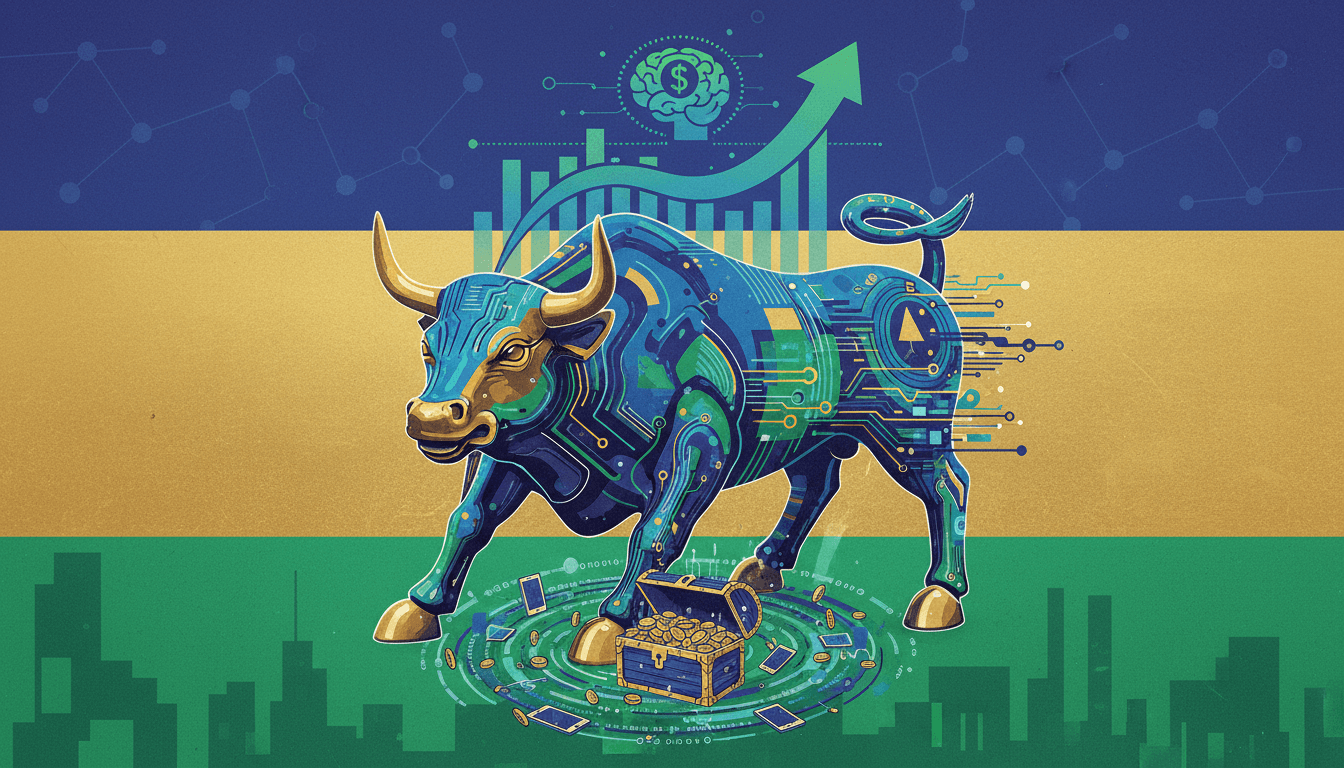
The wealth management industry is undergoing a profound digital transformation, driven by technological advancements and shifting investor expectations. According to Capgemini Research, over 70% of wealth firms now view technology investments as critical to their success. This shift is not merely about digitizing existing processes; it represents a fundamental reimagining of how financial advisory services are delivered. Digital platforms are becoming the cornerstone of modern wealth management, offering seamless onboarding, hyper-personalized experiences, and integrated client services that cater to the demands of today's sophisticated investors. In this article, we will explore the key drivers, benefits, and future trends of this transformation, supported by real data and industry insights.
The Imperative for Technology Investment in Wealth Management
The statistic that 70% of wealth management firms prioritize technology investments underscores a strategic pivot toward digital capabilities. This trend is fueled by several factors, including rising client expectations for convenience, transparency, and real-time access to financial data. Firms that invest in robust digital infrastructures are better positioned to streamline operations, reduce costs, and enhance client engagement. For instance, automated onboarding processes can cut down administrative time by up to 50%, allowing advisors to focus on high-value activities like relationship building and strategic planning. Additionally, technology enables scalability, helping firms manage growing client bases without compromising service quality. The integration of cloud computing, APIs, and cybersecurity measures further ensures that digital platforms are secure, compliant, and adaptable to regulatory changes.
Digital Platforms: Enabling Seamless Client Experiences
Digital platforms are revolutionizing client interactions by providing seamless, end-to-end experiences. From initial onboarding to ongoing portfolio management, these platforms leverage user-friendly interfaces and intuitive design to simplify complex financial processes. Key features include electronic document signing, real-time account aggregation, and interactive dashboards that offer consolidated views of assets, liabilities, and investment performance. For example, platforms that support curated portfolios allow clients to align their investments with personal values, such as ESG (Environmental, Social, and Governance) criteria. Enhanced alignment tools also facilitate goal-based planning, enabling advisors to tailor strategies to individual client objectives, whether for retirement, education funding, or wealth preservation. The result is a more engaged and informed client base, with studies showing that firms using integrated digital solutions see a 30% increase in client satisfaction scores.
AI and Hyper-Personalization in Financial Advisory
Artificial Intelligence (AI) is at the forefront of delivering hyper-personalized advisory services. By analyzing vast datasets—including transaction histories, market trends, and behavioral patterns—AI algorithms can generate tailored investment recommendations and risk assessments. For high-net-worth individuals, who demand highly customized solutions, AI-driven tools offer unparalleled precision. Robo-advisors, for instance, use machine learning to automatically rebalance portfolios based on market movements and client preferences, often at a fraction of the cost of traditional advisory services. Moreover, natural language processing (NLP) enables virtual assistants to provide instant responses to client queries, enhancing accessibility and support. Research indicates that firms leveraging AI for personalization achieve up to 25% higher client retention rates, as they can proactively address needs and anticipate market opportunities.
Data-Driven Insights and Aggregated Financial Views
The ability to aggregate financial data from multiple sources—such as bank accounts, investment portfolios, and retirement plans—is a game-changer in wealth management. Digital platforms that offer aggregated views provide clients with a holistic picture of their financial health, empowering them to make informed decisions. For advisors, these insights facilitate more accurate forecasting and scenario analysis. For example, by integrating data from tax records and estate plans, advisors can model the long-term impact of various investment strategies on net worth. The focus on curated portfolios also allows for dynamic asset allocation, adjusting holdings in response to life events or market volatility. According to industry surveys, 65% of clients prefer advisors who use data aggregation tools, citing improved transparency and trust as key benefits.
Future Trends and Challenges in Digital Wealth Management
Looking ahead, the digital transformation of wealth management will continue to evolve with emerging technologies like blockchain, quantum computing, and advanced analytics. Blockchain, for instance, promises to enhance security and transparency in transactions, while quantum computing could revolutionize portfolio optimization. However, challenges remain, including data privacy concerns, regulatory compliance, and the need for continuous upskilling among advisors. Firms must also address the digital divide, ensuring that all clients—regardless of tech proficiency—can benefit from these innovations. Collaboration between fintech startups and established wealth managers will be crucial in driving innovation while maintaining trust. As Capgemini Research highlights, the firms that succeed will be those that balance technological adoption with a human-centric approach, blending digital efficiency with empathetic advisory.
Key Takeaways
- 70% of wealth management firms prioritize technology investments to enhance client services and operational efficiency.
- Digital platforms enable seamless onboarding, personalized experiences, and aggregated financial views for better decision-making.
- AI-driven tools facilitate hyper-personalization, improving client retention and satisfaction, especially among high-net-worth individuals.
- Data aggregation and curated portfolios are critical for aligning investments with client goals and market opportunities.
- Future advancements in blockchain and quantum computing will further transform the industry, though challenges like data privacy and regulatory compliance must be addressed.
Frequently Asked Questions
Why is technology investment so critical for wealth management firms?
Technology investment is essential because it enables firms to meet rising client expectations for seamless, personalized, and transparent services. With 70% of firms prioritizing it, technology drives efficiency, reduces costs, and supports scalable growth while enhancing client engagement through tools like digital onboarding and AI-driven advisory.
How does AI contribute to hyper-personalized advisory services?
AI analyzes client data, market trends, and behavioral patterns to deliver tailored investment recommendations and risk assessments. It powers robo-advisors for automated portfolio management and virtual assistants for instant client support, leading to higher retention rates and more precise financial planning, particularly for high-net-worth individuals.
What are the benefits of aggregated financial views in digital platforms?
Aggregated views provide a comprehensive snapshot of a client's financial situation by consolidating data from various accounts. This enhances transparency, enables better forecasting, and helps advisors create aligned strategies for goals like retirement or wealth preservation, ultimately fostering trust and informed decision-making.
What challenges do firms face in digital transformation?
Key challenges include ensuring data privacy and security, navigating regulatory compliance, addressing the digital divide among clients, and continuously upskilling advisors. Firms must also balance technological innovation with maintaining a human touch to build long-term client relationships.
Conclusion
The digital transformation in wealth management is no longer a future possibility but a present reality, with technology investments driving unprecedented changes in how advisory services are delivered. From AI-powered personalization to seamless digital platforms, these innovations are meeting the demands of modern investors for efficiency, transparency, and customization. As the industry evolves, firms that embrace these tools while addressing associated challenges will lead the way in shaping the future of financial advisory. By leveraging insights from sources like Capgemini Research, wealth managers can stay ahead of trends and continue to provide value in an increasingly digital world.
Tags
Related Articles

Sustainable Investing Surge: How ESG Factors Are Reshaping Global Wealth Management
Sustainable investing is transforming the financial landscape as investors increasingly prioritize environmental, social...

Multi-Generational Wealth Management: Navigating Generational Shifts in Investment Preferences
Wealth management is undergoing a significant transformation driven by generational shifts, with Millennials and Generat...

Robo-Advisory Market Growth: A $1.2 Trillion Financial Revolution
The robo-advisory market is undergoing unprecedented expansion, projected to reach $1.2 trillion in assets under managem...

Generational Wealth Transfer: How Millennials and Gen X Are Reshaping Wealth Management
The ongoing generational wealth transfer is fundamentally transforming wealth management practices globally. Millennials...

ESG Reporting and Transparency: Navigating the New Regulatory Landscape in Wealth Management
The wealth management industry faces unprecedented regulatory pressure to enhance ESG reporting transparency and standar...

Sustainable Investing Revolution: How ESG Factors Are Reshaping Global Wealth Management
Sustainable investing is undergoing an unprecedented transformation, fueled by a global demand for environmental, social...